Based in Bartlett, LH Block Electric installs DC fast charging infrastructure for electric semi-trucks at Chicagoland fleet depots, distribution centers, and logistics terminals. Our electrical scope covers utility service coordination, power distribution, and charger connections through startup.
Plan charging around your trucks, routes, and turnaround times.
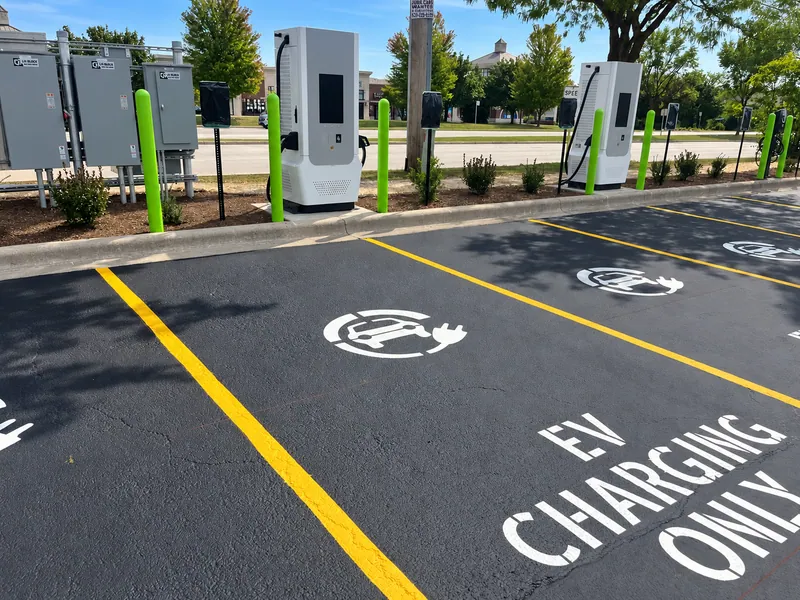
Level 2 and DC fast charging supported by a new 1,600-amp service, underground infrastructure, and finished charging spaces.
Based in Bartlett · Serving Chicagoland · Family-owned since 1979
Fleet depots
DC fast charging
Phased buildouts
WHAT WE INSTALL
From utility service to the charging bay.
Fleet and site planning
Review truck count, routes, charging windows, and the yard layout. Plan charger placement around trailer movements, backing lanes, and dock access.
Electrical service and distribution
Review available power and coordinate with your utility and design team on service requirements, transformers, switchgear, and feeders.
Underground infrastructure
Install raceways and feeders and coordinate trenching, equipment pads, and protective bollards with your site team. Plan conduit routes for future charging bays.
Charger installation and startup
Install the electrical infrastructure and connect compatible DC charging equipment. Coordinate inspection, energization, and startup with the charging provider.
How a truck charging project comes together.
01
Start with how the trucks run
Share the vehicle models, number of trucks returning at the same time, and how long they can remain parked. Those details help determine charger power and how many trucks may need to charge at once. Staggering charging can reduce the site’s peak demand if the truck schedules allow it.
02
Coordinate the yard and utility plans
Work with the utility, equipment supplier, and site team to confirm available service, charger placement, construction access, and who owns each part of the work.
03
Build for the first trucks and the next phase
Sequence the work around yard operations, then coordinate inspection and startup. Where it makes sense, reserve space and conduit routes for more chargers.
BEFORE YOU GET STARTED
Common questions.
Do we need a utility service upgrade?
It depends on the site’s available capacity and how many trucks will charge at once. Start the load review and utility conversation early, especially if charging must begin by a specific date. See our electrical service upgrade planning guide for what to gather before the review.
Can we start with a few trucks and expand later?
Yes. Review the long-term fleet plan up front so the first phase can leave room for future conduit, equipment, and charging bays.
Can you coordinate with our truck and charger suppliers?
Yes. Share the truck and charger specifications so the project team can confirm compatibility, power requirements, and startup responsibilities before equipment is ordered.
What affects the cost and timeline of installing semi-truck chargers?
Installation cost depends on the site’s available electrical capacity, how many trucks need to charge at once, and the distance from the electrical service to the charging bays. Trenching and pavement restoration can also affect the scope. Charger and switchgear lead times, utility upgrades, permits, and inspections can affect when the site is ready. Share your site address, fleet size, charging schedule, and target start date so we can help identify the work and what could drive the schedule.
Can trucks charge overnight at the depot?
The right charging setup depends on daily energy use and how long trucks are parked. Longer overnight windows and short between-shift stops can call for different charger power and schedules.
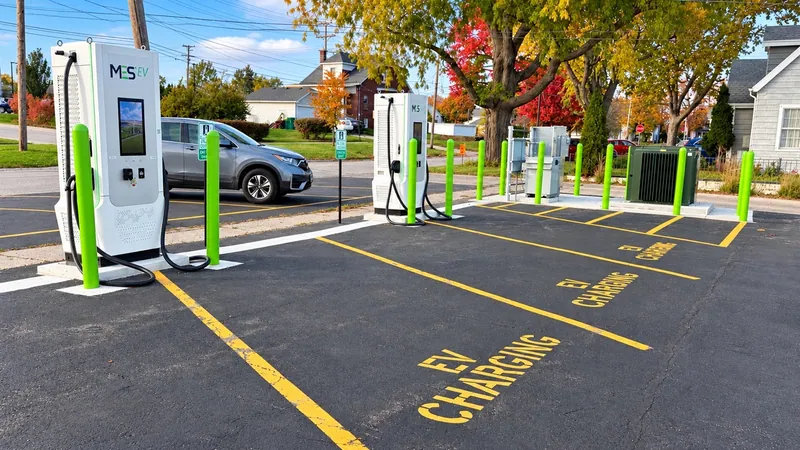
A public charging project that shows the electrical service, underground distribution, foundations, and charger connections we can bring to a fleet project.