
Choosing an Electrical Contractor: Experience, Value, and a Schedule You Can Count On
A successful electrical project depends on practical knowledge, coordinated manpower, responsive communication, and follow-through—not just the proposal total.
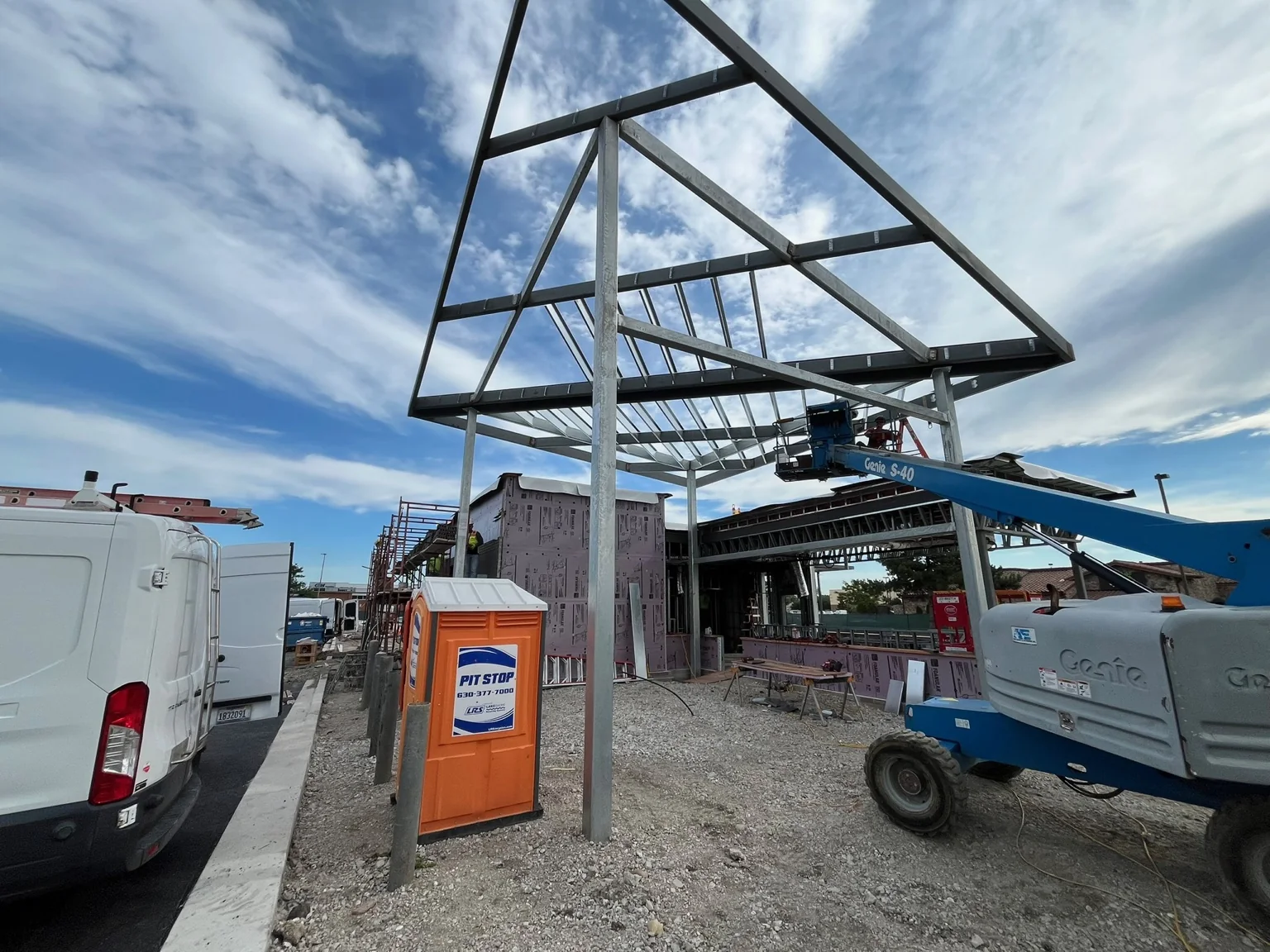
The short answer
The lowest quote can be the right choice when the scope is complete and the contractor is qualified. The key is knowing what’s included—and who will deliver it.
Whether you’re building from the ground up, completing a tenant buildout, or upgrading an operating facility, choosing an electrical contractor affects the entire project.
Price matters. So does having a team that understands the scope, identifies cost-saving opportunities, and shows up when the schedule requires it.
1. Experience that helps the whole project move forward
On new construction and buildouts, electrical work must fit into a larger sequence. Underground conduits may need to be installed before concrete placement. Rough-in must coordinate with framing, plumbing, and HVAC. Inspections need to happen before walls and ceilings close.
An experienced electrical contractor understands these dependencies and helps identify decisions that need to be made early. For general contractors, that means an electrical partner who looks ahead, raises questions, and coordinates with other trades. For owners, it means a system planned around how the finished space will actually be used.
LH Block’s work on Andy’s Frozen Custard ground-up locations and Goldfish Swim School buildouts reflects that coordination. At Goldfish, limited space in pool equipment rooms required careful planning among trades for equipment placement and electrical connections.
2. Value engineering should create savings—not scope gaps
A knowledgeable contractor doesn’t simply price the drawings. They look for practical ways to meet the project’s requirements more efficiently.
Opportunities may include alternative lighting or equipment that meets required performance, more efficient conduit routes, equipment placement that simplifies maintenance, reuse of suitable existing equipment on renovations, and sequencing that reduces repeated mobilization.
For Four Star Tool, LH Block proposed an alternative LED lighting approach and reused existing electrical equipment as part of the installation.
On new construction and buildouts, proposed alternatives should be coordinated with the general contractor, owner, and design team before proceeding. A useful recommendation explains the savings, any tradeoffs, and the approvals needed.
Real value engineering reduces unnecessary cost while preserving the project’s requirements.
3. Reliable manpower helps protect critical milestones
A construction schedule only works when the required trades are available at the right time. If electrical rough-in falls behind, it can affect inspections, drywall, ceilings, equipment startup, and turnover.
Ask how the electrical contractor will plan manpower around major milestones and respond when the schedule changes. An inexpensive proposal can become less attractive if missed commitments contribute to delays.
At LH Block, coordinating electricians for critical stages and communicating with the project team are essential parts of managing the work. The goal is to keep electrical installations aligned with the overall construction schedule.
4. Direct access to someone who understands the work
General contractors need timely answers. Owners need clear explanations. When an equipment requirement changes or a field condition differs from the drawings, access to electrical knowledge helps the team determine the next step.
LH Block gives customers direct access to experienced electricians and company leadership. That supports practical discussions about scope, scheduling, installation options, and unexpected conditions.
Good communication also means identifying changes early and explaining their potential cost or schedule impact before work proceeds.
5. Follow-through matters through final completion
Electrical work continues beyond rough-in and equipment installation. Final connections, inspections, punch-list items, and coordination for turnover all require attention.
At St. Sophia Greek Orthodox Church in Elgin, LH Block stepped in after the previous electrical contractor left before completing the project. Our team took over the remaining lighting and power work, including coordination within the church’s distinctive domed spaces, and helped bring the project to completion.
That experience illustrates the value of a contractor who can assess work already underway, work through challenges, and carry the remaining scope forward.
Questions to ask your electrical contractor
- Have you completed similar ground-up projects or tenant buildouts?
- Does your proposal clearly identify inclusions, exclusions, and responsibilities?
- Can you recommend alternatives that reduce cost without compromising requirements?
- How will you coordinate manpower, inspections, and critical milestones?
- Who will answer technical questions and manage field decisions?
- How will you communicate changes and their cost or schedule impact?
- How will you handle final inspections, punch-list work, and turnover?
Compare the complete offering—not just the number on the last page.
Choose an electrical partner who adds value throughout the job
A higher price doesn’t automatically mean better work, and a lower price doesn’t automatically mean poor value. Look for relevant experience, practical cost-saving ideas, dependable scheduling, and clear communication—from planning through completion.
Explore commercial buildouts and renovations ↗
Why work with LH Block? ↗
Real projects. Practical experience.
Andy’s Frozen Custard
Ground-up electrical construction coordinated with the larger building schedule.
Explore the project ↗Four Star Tool
An alternative LED lighting approach and reuse of existing electrical equipment.
Explore the project ↗St. Sophia Greek Orthodox Church
Taking over remaining lighting and power work and helping bring the project to completion.
Explore the project ↗Let’s discuss your next project.
Planning new construction, a tenant buildout, or a facility improvement? Talk with LH Block about your scope, schedule, and electrical requirements.