
Adding a new machine?
Here’s what to gather first.
A little preparation helps your electrical contractor understand the equipment, the building, and the work needed to bring them together.
The short answer
Start with the machine’s electrical documentation, its proposed location, your installation schedule, and any existing building drawings. You do not need every answer before contacting us—send what you have so we can identify what still needs review.
A machine purchase often comes with a delivery date before the electrical installation has been planned. Gathering the right information early helps turn “we need power over here” into a useful discussion about scope, access, scheduling, and cost.
These are the details we recommend bringing to that first conversation.
1. Get the manufacturer’s electrical requirements.
Ask the equipment supplier for the installation manual, electrical specifications, and any available connection drawings. Include a clear photograph of the machine’s nameplate if it is safely accessible.
The documentation should help identify the required voltage, phase, and electrical load, along with any specific instructions for supplying and connecting the equipment. A model number or a photograph of the machine alone may not provide enough detail.
Also identify equipment that supports the main machine, such as a chiller, compressor, conveyor, or dust collector. Ask the supplier whether these need separate electrical connections.
2. Show where the machine will go.
A marked floor plan is ideal, but a simple sketch is a useful starting point. Show the proposed machine location, nearby equipment, aisles, doors, and any areas that must remain clear.
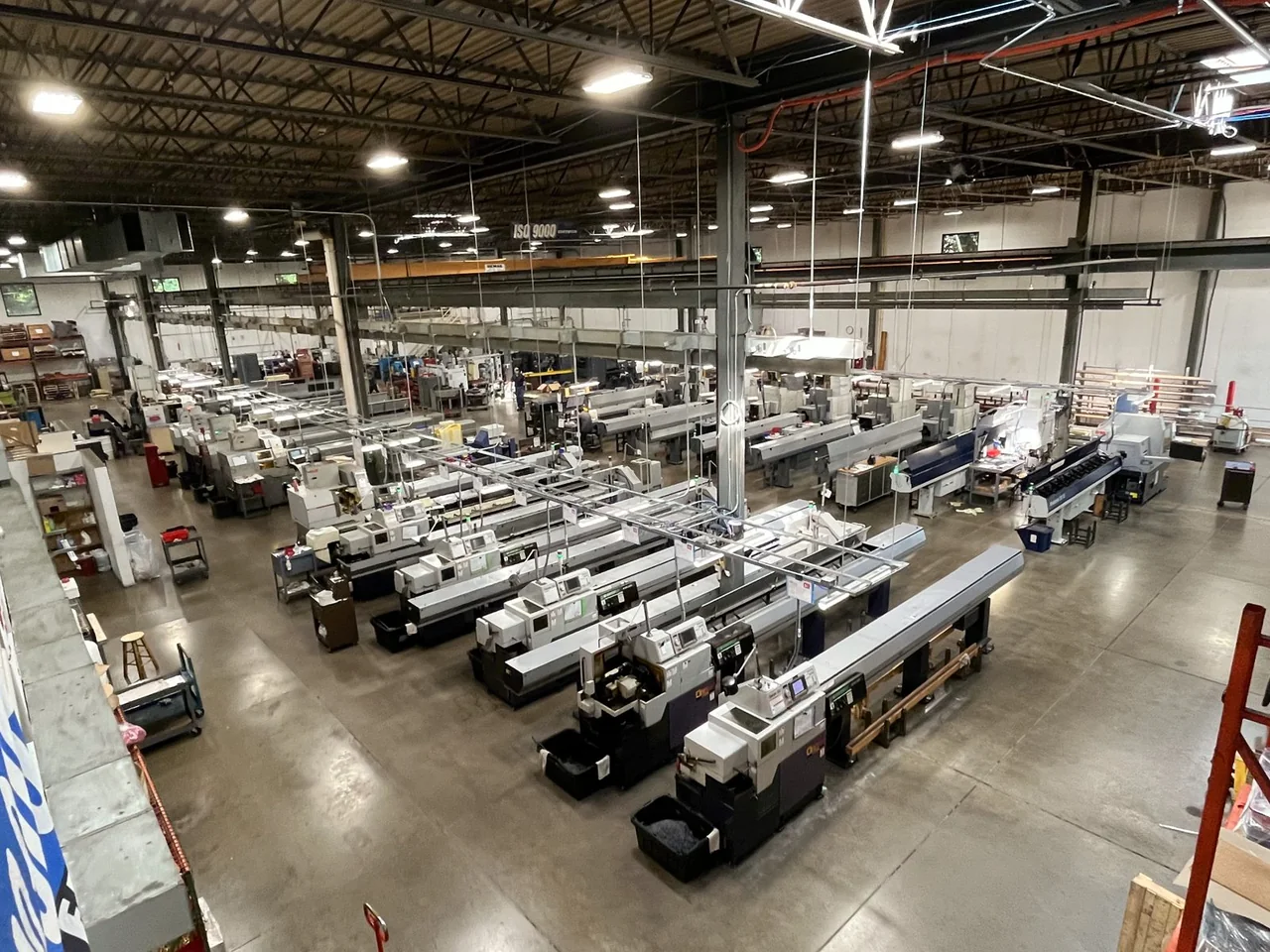
Include wide photographs of the room and the overhead space. Ceiling height, existing racks, cranes, and other building systems can affect access and the route used to reach the machine.
If several machines are moving, share the complete layout. Planning the group together can reveal coordination needs that are easy to miss when each connection is considered separately.
3. Share what you know about the building’s power.
Existing electrical drawings, panel schedules, and records of previous upgrades can give your contractor a useful starting point. Let us know about other equipment being added or removed and any recurring electrical problems.
Available space in a panel does not, by itself, establish whether the electrical system can support a new machine. The equipment requirements and existing system need to be evaluated together.
4. Explain the schedule—and what must stay running.
Share the expected delivery date, the date the supplier plans to start up the machine, and when you need it in production. These may be different dates.
Tell us whether installation must happen during normal hours, after hours, or during a scheduled shutdown. Include access restrictions, production areas that must stay operational, and other trades working in the same space.
Depending on the work, equipment availability, permits, utility coordination, or an interruption to existing power may affect the sequence. Raising these questions before delivery gives everyone more time to plan.
5. Clarify who is doing what.
Identify your equipment supplier, installer or rigger, and the person coordinating work at the facility. Confirm who is responsible for setting the machine in place, electrical connections, manufacturer startup, and testing.
LH Block’s equipment-power work focuses on the electrical supply and connections. Machine programming, internal repairs, and manufacturer commissioning should be clearly assigned to the appropriate equipment specialist.
What affects the electrical installation price?
The electrical requirements are only part of the picture. Distance from the available supply, routing and access, required distribution equipment, shutdown arrangements, and the number of supporting connections can all affect the scope.
Clear information helps us ask better questions and prepare an estimate with fewer unresolved assumptions. A site visit may still be needed before the scope can be finalized.
What to send LH Block
- Machine specifications, installation instructions, and an accessible nameplate photo.
- A floor plan or sketch showing the proposed location.
- Wide photographs of the work area and overhead space.
- Available building electrical drawings or panel schedules.
- Delivery and startup dates, operating hours, and shutdown restrictions.
- A list of supporting equipment and your supplier’s contact information.
Missing something? Tell us what is still being confirmed. We can help identify the next information needed.
Whether you are adding one machine or relocating an entire operation, the goal is the same: plan the electrical work around the equipment and the way your business operates.
Real facilities. Different power needs.
CNC Machine Shop
Equipment layout, overhead constraints, and coordinated power for a manufacturing relocation in Bloomingdale.
View the project ↗HK Laser & Systems
Machinery power and distribution changes supporting evolving equipment needs at a Bartlett facility.
View the project ↗EDM Intelligent Solutions
Specialized equipment connections, distribution improvements, and machinery relocation wiring in Bartlett.
View the project ↗Have a machine on the way?
Tell us what you’re adding, where it’s going, and when you need it running. Share the documentation you have.